
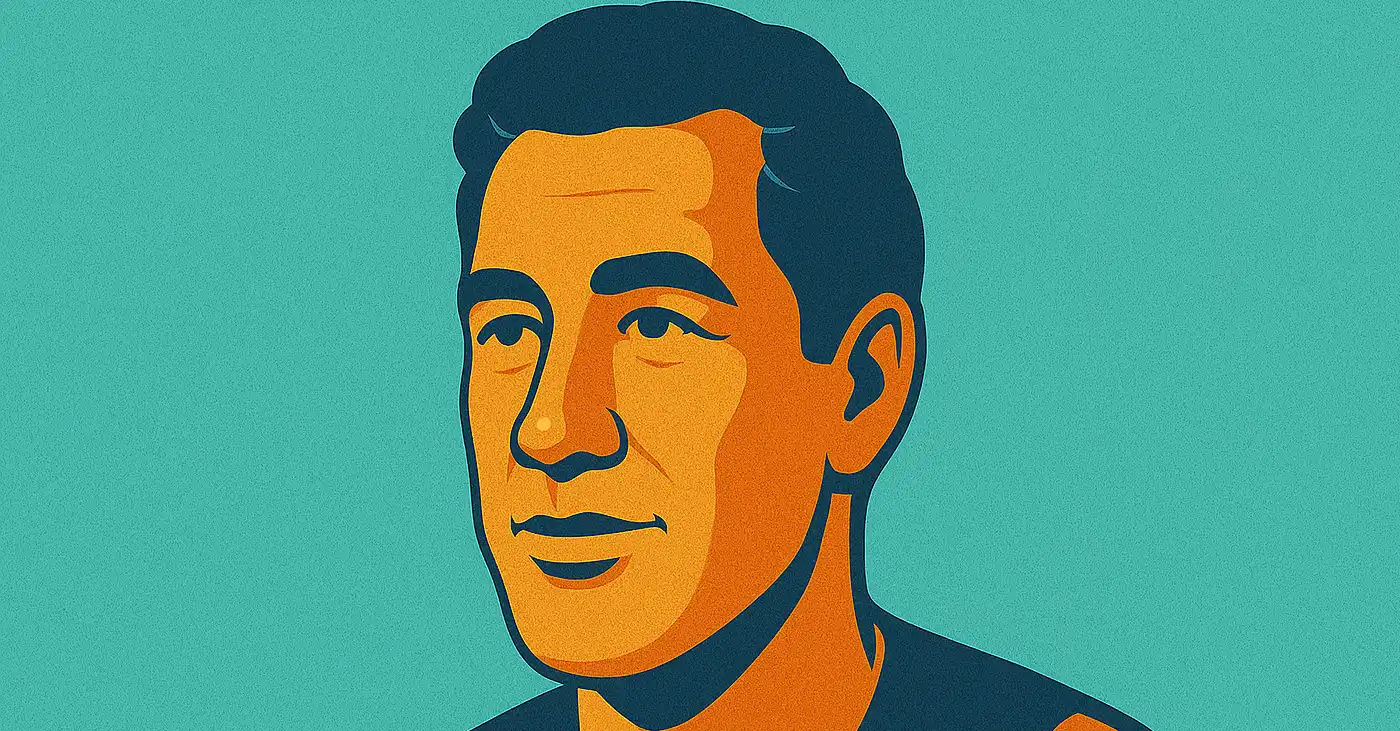
Eddie Aikau (Edward Ryon Makuahanai Aikau) is a legend: surfer, lifeguard, and symbol of the Hawaiian surfing spirit. His courage, his willingness to risk his own life to help others, and his connection to the ocean make him one of the most iconic watermen in surfing history.
Life and influence
Edward Aikau was born on May 4, 1946, in Kahului (Maui) and grew up in relatively modest circumstances on Maui. His parents, Solomon (known as “Pops”) and Henrietta, had four other sons besides Eddie and a sister, Myra: Frederick (Fred), Gerald (Gerry), Clyde, and Solomon (Sol). Eddie himself was the third son, who was often the last to be found when he played hide-and-seek with his siblings in the cemetery. The family moved to Oʻahu at an early age, which gave him access to the big waves and boulevards of Hawaii, far away from the neighboring cemetery.
Under colonialism, Hawaiian culture was largely suppressed. However, Eddie’s connection to Hawaiian culture was deep, and he became part of the Hawaiian Renaissance movement. This movement sought to revive traditional values, including navigation and languages. Eddie was seen as a man of the water, not just a “surfer” but a guardian of the sea lanes.
personality
School was not his strong suit; he was much more of a spiritual than an academic character with a great deal of wisdom, describes Donald Dupont, a friend of the Aikau family. His rather reserved character was not loud, but he did a lot through his actions; he was known for his quiet dignity and inner strength.
At around 16 years of age, Eddie left school and started working—including at a pineapple factory—so that he could afford his own surfboard. In 1968, he took his first job as a lifeguard, looking after all the beaches on the North Shore from Pūpūkea (Sunset) to
Career as the first lifeguard on the North Shore
Eddie was the first officially employed lifeguard for Waimea Bay and the north coast of Oʻahu. Under his watch, an estimated 500 people were saved — in an era without jet skis or modern rescue equipment. During his time as a lifeguard in Waimea Bay, there was not a single fatality. This water man is not afraid of waves 10 meters high. His courage and selflessness earned him the title of Lifeguard of the Year in 1971 — he was willing to act in extreme, life-threatening surf conditions.
Big wave surfer & competitions
Eddie made his first attempts at surfing on a plywood board at around the age of 8. It was a passion that never left him. Eddie was also an outstanding big wave surfer. His greatest competitive success was winning the Duke Kahanamoku Invitational in 1977—a significant title at the time. He also traveled occasionally to international events, but his main focus was always Hawaii, and Waimea in particular. He was considered the best surfer in Waimea Bay:
He was the furthest out, he took the biggest waves, he trimmed and he surfed better than anyone else.
Peter Cole, Big-Wave-Surfer
Tragic farewell & myth
In 1978, Eddie took part in an expedition aboard the traditional Polynesian double canoe Hōkūleʻa, which was to sail from Hawaii to Tahiti—a symbolic journey to revive ancient navigation routes. In the open ocean, the boat ran into trouble and capsized. In a courageous gesture, Eddie offered to paddle his surfboard towards Lanai to get help – he was never seen again. The search operation was one of the largest air-sea operations in Hawaiian history, but Eddie remained missing – his body was never found. On March 17, 1978, he was declared dead.
This act—voluntarily venturing into the unknown to save others—became the core of his legend. The phrase “Eddie Would Go” became a spiritual mantra: where others hesitate, Eddie would act.
Eddie Aikau's legacy
Eddie Aikau symbolizes courage, responsibility, and the Hawaiian values of aloha and caring. He connects beach rescue, culture, and Hawaiian tradition. He is a role model for selflessness in surfing and beyond—a symbol that surfing is not only about fame, but also responsibility.
In 1998, a surfing competition was created in his memory: The Eddie Big Wave Invitational. The event only takes place when wave conditions are extreme (minimum height often
20 feet) — a deliberate tribute to Eddie’s willingness to surf in the most dangerous conditions. Hence the motto: “Eddie would go.” After the first competition at Sunset Beach in 1985, the venue was moved a year later to Eddie’s home break at Waimea Bay, where his brother Clyde Aikau won. The competition is not only relevant in terms of sport, but also culturally, with rituals, speeches, and a collective remembrance of Eddie.
The Eddie Aikau Foundation, established by family members, continues his legacy by supporting educational projects, cultural initiatives, and programs that preserve Hawaiian identity and language.
The story of Eddie Aikau made into a film
A must-read for surfing historians and purists. Anecdotes about Eddie, told by his siblings, parents, and other contemporaries who had the privilege of knowing him. Eddie—a true hero of Hawaiian surfing history.
You are currently viewing a placeholder content from YouTube. To access the actual content, click the button below. Please note that doing so will share data with third-party providers.
More Information
